We may earn a commission through affiliate links, at no separate charge from VerdictSift. Ordinary manufacturer links are also included. How our links work.
Choose a daypack around the equipment your route and conditions require, then check the fit with that load. Capacity is useful only when the bag carries comfortably.
Your options, at a glance
Start with the way you will use it, then decide which compromise makes sense.
| Option | A good fit for | The tradeoff |
|---|---|---|
| Simple panel daypack | Accessible organization for local walks | Less support for heavier loads |
| Structured hiking daypack | Longer outings with more equipment | More weight and adjustment |
| Packable daypack | Very light spare-bag duties | Limited structure and carrying comfort |
Begin with the day you have planned
A short local walk and a full day on a remote trail call for different preparation. Before buying a pack, identify the route, weather, duration and supplies you need. Consult appropriate local guidance for the outing. This is a guide to bag design, not a complete hiking preparation checklist.
Lay out the items that must fit, including water, food, layers and any required equipment. Then assess the volume. Buying a large pack first can encourage you to fill it with extras. Buying the smallest possible one can leave you strapping ordinary essentials awkwardly to the outside.
Fit matters more than a dramatic feature list
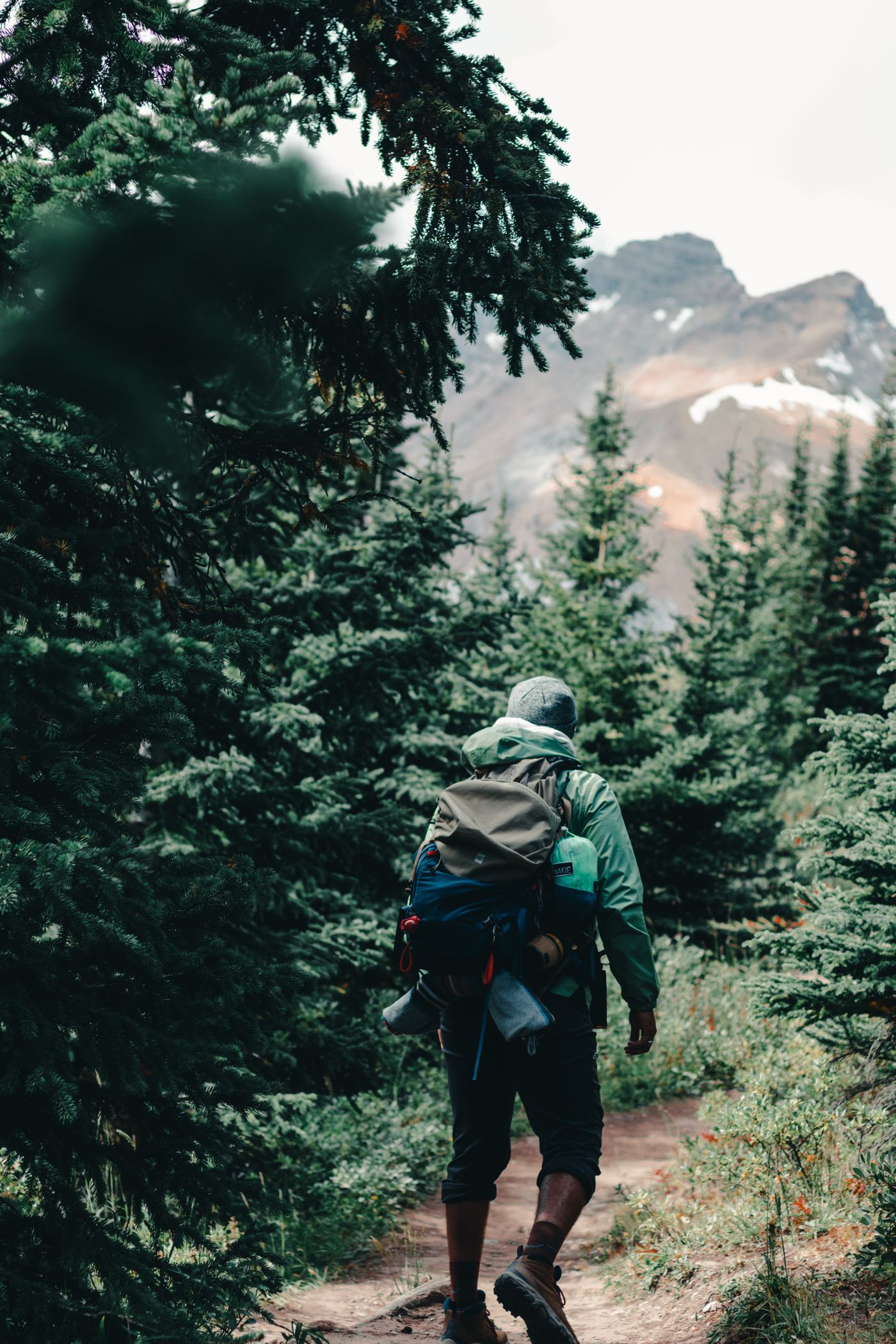
Shoulder straps should adjust to your body and load without constant correction. A sternum strap can help keep them positioned, while a more substantial hip belt may be useful with heavier loads. These features work as a system; adding straps does not automatically make a badly fitting pack comfortable.
Try the pack with a realistic load if possible. Walk around, reach for a bottle and move your arms. Notice whether hard contents press against your back or whether the pack pulls away from you. Fit is personal, so a recommendation based on another person's favorite shape is only a starting point.
Choose access around the way you stop
A panel-opening pack makes contents easy to see, while a top-loading style can offer a simple deep compartment. Both can work well when organized deliberately. Put frequently used items where you can reach them without unpacking the whole bag at every stop.
Bottle pockets should hold your bottles securely without making them difficult to retrieve. If you use a reservoir, check the intended compatibility and cleaning routine. Do not pay for a hydration arrangement simply because it is included in a bundle; choose the system you will actually maintain and use.
Keep ventilation claims in perspective
Back panels vary from simple padding to suspended structures. These designs affect how the bag sits, how much internal space remains and how it feels when loaded. A more elaborate back panel may be appealing, but comfort still depends on fit, clothing, weather and activity.
Inspect the surfaces that touch your body and the adjustment points you will use most. Look for a design you can understand and set consistently. If a pack requires complicated adjustment every time you put it on, a simpler alternative may suit occasional walks better.
Read weather and durability information carefully
A water-resistant fabric does not establish that the entire pack is waterproof. Openings and seams also matter. Check the manufacturer's guidance and protect contents appropriately for the conditions you expect. A cover, liner or individual protective pouch has its own intended role and limitations.
Look at the base and the pockets most likely to rub against surfaces. Repair availability can matter if you use the pack often. For modest local outings, however, very heavy fabric and excessive external attachment points may add weight without helping your routine.
Choose a pack you can organize consistently
Before the first outing, pack the full load and note where each frequently used item lives. Make sure the bag closes without forcing the zipper or overstuffing pockets. Review the route and conditions separately; the right bag does not replace sound preparation.
Our practical preference is the smallest comfortable pack that holds the required load with sensible room for changes. Pay extra for features that solve a known problem, such as a better fit or more accessible water. Leave expedition-style complexity behind when your ordinary walks do not call for it.
Common questions
Should I choose by liters alone?
No. Capacity is a starting point. The shape, opening and fit with your actual equipment matter too.
Is a rain cover enough to protect everything?
Do not assume so. Check the product's limits and protect important contents appropriately for expected conditions.
Sources & further reading
This guide combines practical shopping considerations with information from the sources below. It does not represent hands-on product testing.
Source review: November 20, 2026. Product designs and seller terms can change.
Send a correction or a question