We may earn a commission through affiliate links, at no separate charge from VerdictSift. Ordinary manufacturer links are also included. How our links work.
Choose a lantern with a useful low setting, simple controls and a power plan that fits your trip. For a small campsite, comfortable light is often more useful than maximum brightness.
Your options, at a glance
Start with the way you will use it, then decide which compromise makes sense.
| Option | A good fit for | The tradeoff |
|---|---|---|
| Rechargeable LED lantern | Regular trips with reliable recharging | Needs a charging plan |
| Replaceable-battery lantern | Trips where spare batteries are practical | Battery supply and disposal require attention |
| Compact hanging light | Small spaces and light packing | May offer less table stability |
Think about the tasks after sunset
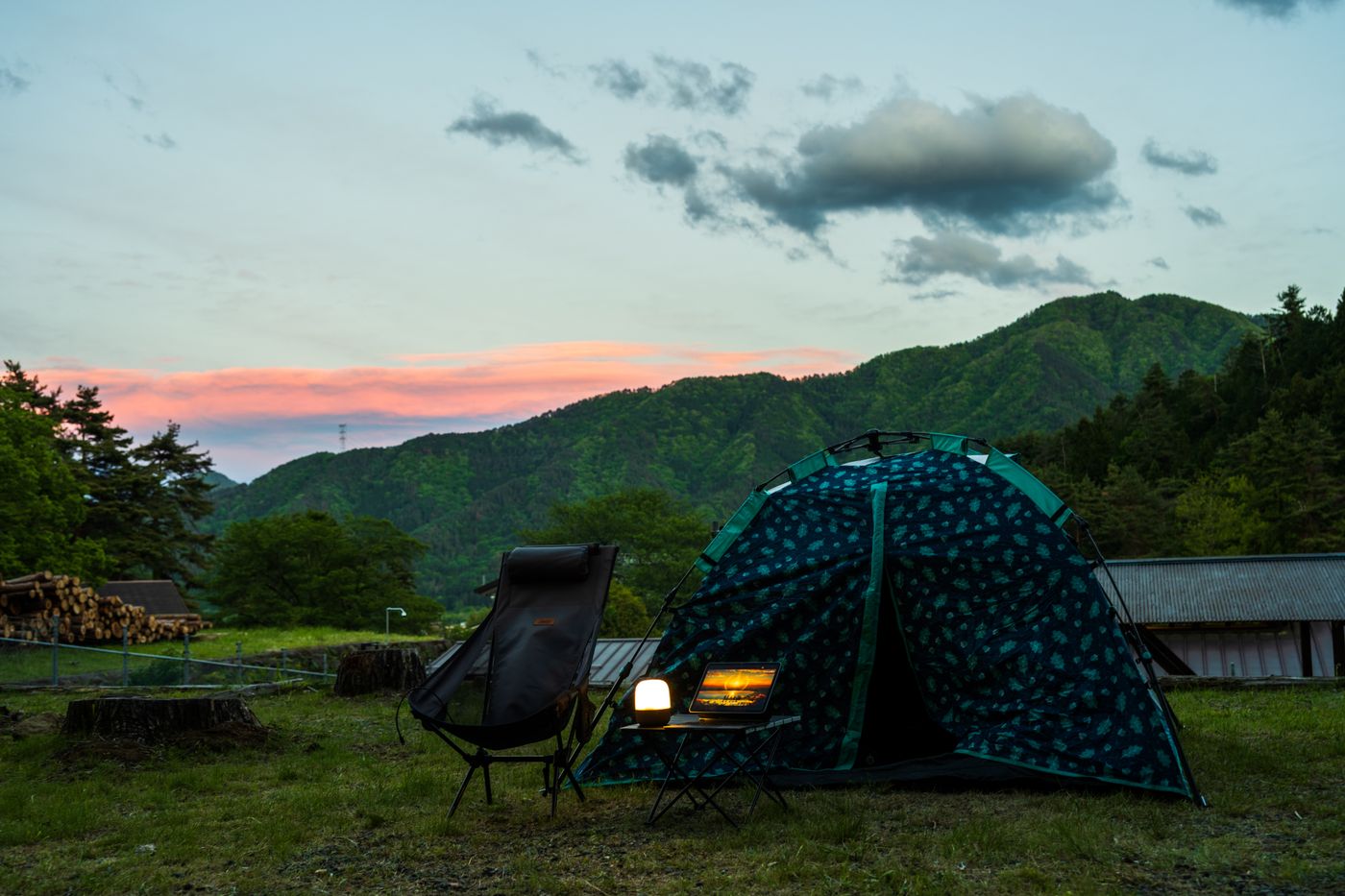
At dusk, you may want to finish a meal, find a jacket and sit together for a while. Those tasks do not all need the same light. A lantern with a wide brightness range can be more practical than one designed mainly to advertise a high maximum output.
Consider where you will place it. A table lantern lights faces and food differently from one hung overhead. Decide whether you need a stable base, a hanging loop or both. For walking away from the table, a separate appropriate personal light may be more convenient than carrying the campsite's shared lantern.
Check the lowest useful setting
Bright light can be useful during setup, but an intense light at eye level can feel harsh during a quiet evening. Look for a low setting that is easy to reach, along with a diffuser that spreads light comfortably. Product photographs rarely show how the light feels when you sit beside it.
If possible, inspect the controls in a dim room. Can you turn the lantern on without cycling through flashing modes? Can you adjust it without holding a button for an uncertain amount of time? Simple operation matters when you are tired or trying not to disturb someone nearby.
Match power to the trip
Rechargeable lanterns work well when you can reliably recharge them between outings. Replaceable-battery models offer another way to plan power, but require you to carry the correct batteries and manage them appropriately. A hybrid option may be convenient if its supported power methods fit your routine.
Read runtime figures alongside the brightness setting used for the claim. A long runtime on a low mode does not describe performance at full brightness. Plan with the manufacturer's information and your likely use, allowing margin rather than expecting a headline figure under every condition.
Look at the base, handle and packed shape
A broad base helps a lantern sit on a suitable flat surface, while a compact shape is easier to pack among other gear. Handles should be easy to grip without blocking the light or placing stress on a small part. A hanging mechanism needs to suit the supports available at your campsite.
Check the manufacturer's water-resistance and use guidance if you expect damp conditions. Do not treat an outdoor label as permission for every exposure. Protect charging ports as instructed, inspect the unit after an outing and allow it to dry before storage.
Separate essential features from nice extras
A power-bank function can be handy, but using it to charge another device changes the lantern's remaining energy. A speaker, remote or decorative mode adds complexity that may not help your main task. Decide which features you would actually use on an ordinary weekend.
A clear charge indicator and familiar charging connector may be more valuable than several novelty modes. Read whether the required cable or power supply is included. Check any battery replacement or service information before paying more for a unit you expect to keep for years.
Try the evening routine at home
Set the lantern on a table, open a book and sit across from someone. Adjust the brightness and move it to the place you would hang it. This gives you a better sense of the light pattern than a specification sheet alone. Follow the instructions and keep any return-condition trial indoors and clean.
For casual car camping, our preferred starting point is a straightforward LED lantern with easy dimming and a predictable charging routine. Pay for more output when you can identify a task that needs it. Comfortable shared light makes an evening more enjoyable without illuminating every neighboring campsite.
Common questions
Should I buy the brightest lantern?
Only if the activity needs that output. For relaxed evenings, a good low mode and comfortable diffusion may matter more.
Can I rely on the maximum advertised runtime?
Check the brightness setting and test conditions. Plan around your own use with sensible margin.
Sources & further reading
This guide combines practical shopping considerations with information from the sources below. It does not represent hands-on product testing.
Source review: November 20, 2026. Product designs and seller terms can change.
Send a correction or a question